



We have formed a catalog structure with thoughtful filters, separate collections, and quick transition to purchase.
The Zentaro philosophy was conveyed through deep dark shades, contrasting typography, and an emphasis on fabric details.
We implemented management of products, sizes, balances, and orders with a flexible admin panel.
We created a logical catalog structure with multi-level filters by equipment type, power, brand, and purpose.
Visually, technical reliability and a professional approach were emphasized through a restrained color scheme and clear typography.
We implemented flexible management of products, characteristics, filters, and integration with CRM to automate applications.

We built a structure that logically leads from benefits to registration. We emphasized privacy, water safety, and the coach's individual approach.
Clients gained access to class history, subscription management, and online payments.
We automated the schedule, pool loading control, and communication with parents.
Diagnostics and KPI definition. We analyze what exactly you want to measure (ROI, LTV, CR). We check the presence and correctness of the installed Google Analytics 4 and Facebook Pixel code.
Creating a "language" for data exchange. We design which events on the site are key (product viewing, adding to cart, successful payment). This data should be clearly structured for transfer to all systems.
Centralized tag management. We set up GTM as a single hub for all scripts. This allows us to control which tags fire, when, and on which pages, simplifying future changes.
Launching commercial data collection. We configure the correct transmission of transaction data (updating prices, amounts, discounts). We conduct testing on a control order to make sure that the money is displayed correctly in GA4.
Transforming data into solutions. We create custom reports and dashboards in GA4 that show not technical indicators, but business metrics: ROAS by channels, LTV, CR by sales funnel stages.
Automation for growth. We connect GA4 with Google Ads and Facebook Ads to create precise retargeting audiences and deliver real sales data.
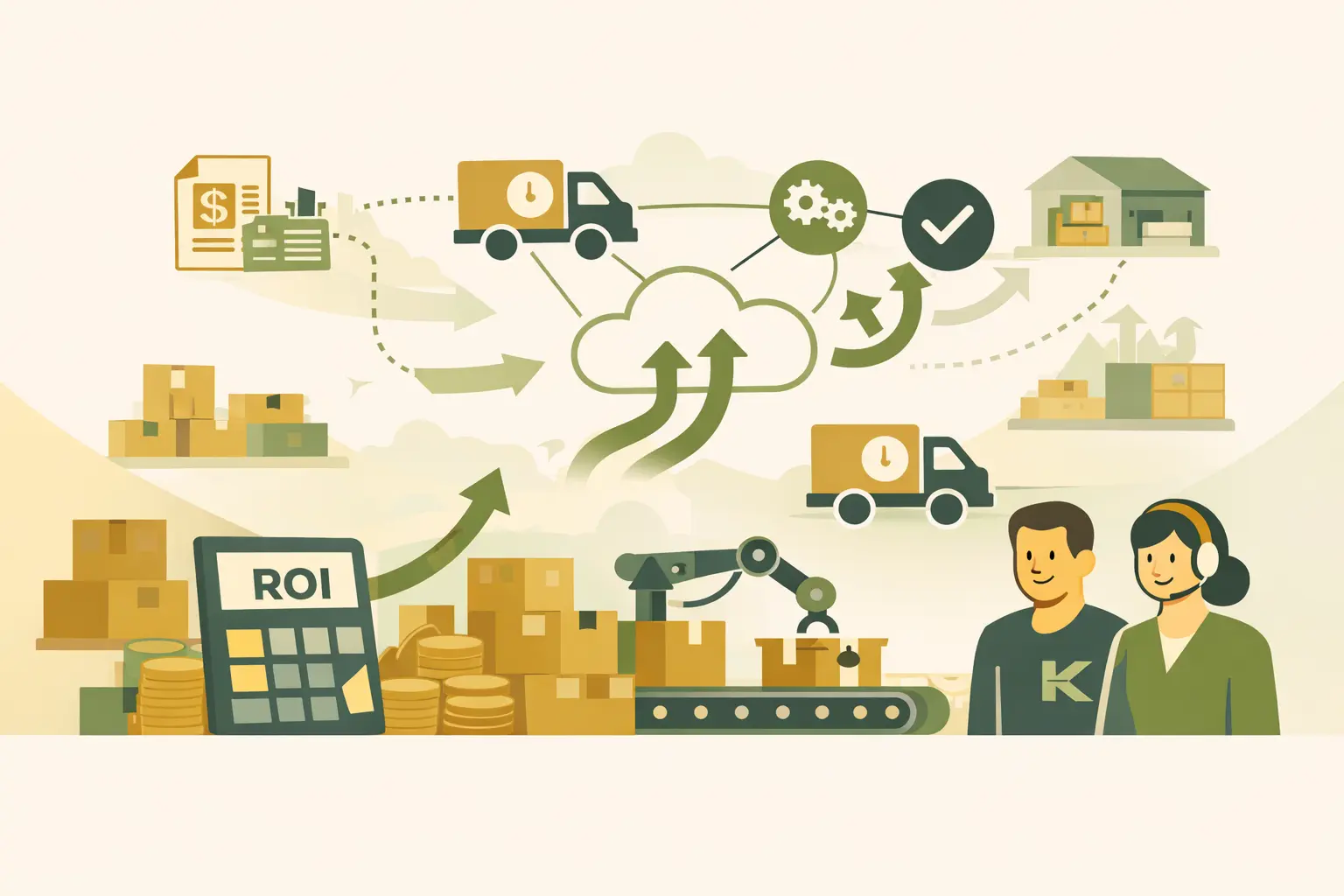
Imagine that your online store is already growing. Orders are coming in steadily and in large volumes, and you can no longer manage inventory storage, pack each parcel, and run to the post office yourself. Managers spend hours on logistics instead of sales. If you constantly think, “Where can I get more warehouse space?”, it’s […]
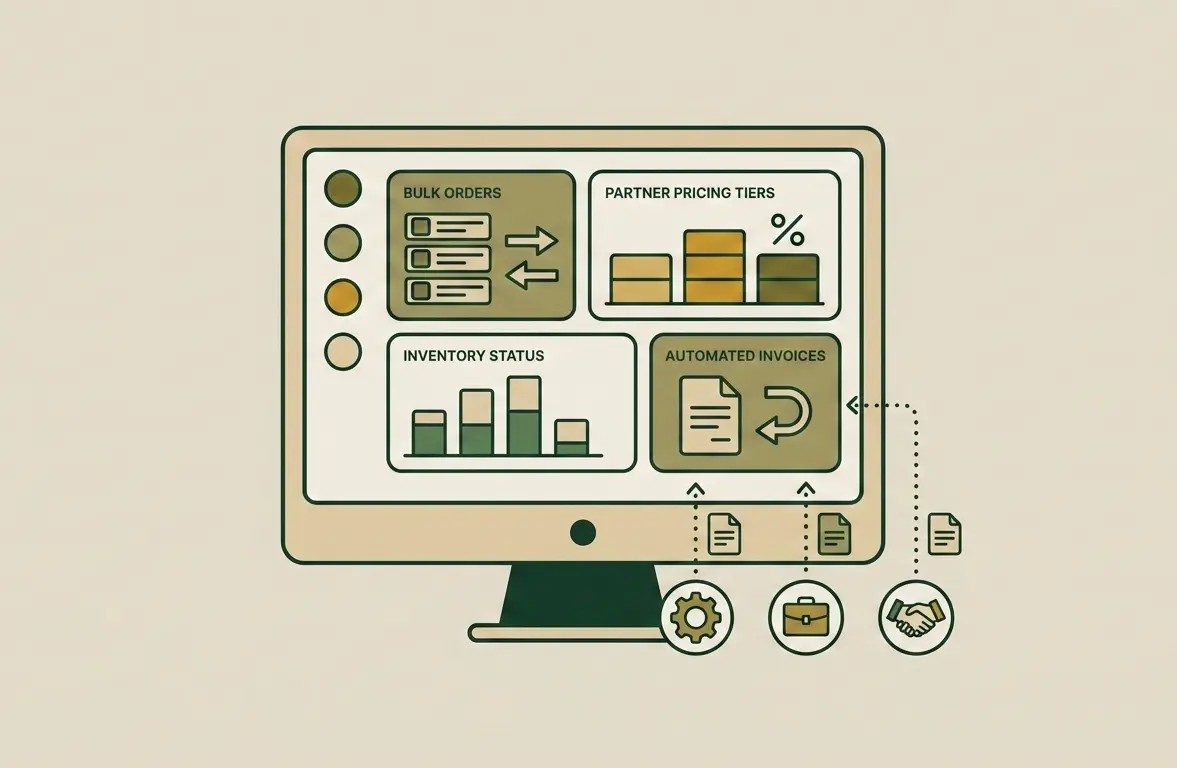
B2B e-commerce is the stage of a company’s maturity when direct business-to-business sales exceed retail in volume. If you still manage wholesale clients through email, Excel spreadsheets, and phone calls, you are not controlling your business potential. Instead, you depend on the human factor. Creating a B2B portal is not an expense for a new […]

If you don’t measure, you don’t manage. An online store owner who makes decisions based on intuition is like a driver with their eyes blindfolded. Today, Google Analytics 4 (GA4) is not just a trendy tool — it is a critically important instrument for the survival and growth of your business. We will show how […]
Google Analytics 4: how to set up analytics to generate real profit
In modern e-commerce collecting data is not an option, but a strategic necessity. The old version of Google Analytics no longer provides the necessary depth.
Google Analytics 4 (GA4) is a tool that allows tracking the customer journey from the first click to purchase across all devices, which is key to understanding the real ROI of your marketing efforts.
Our goal is not just to install the counter, but to configure it so that it becomes your primary source for decision-making and profit growth.
Data evolution: why GA4 events are more important than old sessions
GA4 has fundamentally changed the approach to analytics. We move from measuring sessions to tracking events.
How this works in practice for e-commerce:
Purchase Event — this is not the end of the journey, but the beginning. We configure the transmission of data about amount, products, and traffic source to know exactly which channel brought the money.
Add to Cart Event — this event should be tracked separately so you can measure the abandoned cart rate and see exactly where in the checkout you are losing customers.
View Item List Event — analysis of which categories or product lists, even those generated by dynamic filters, interest users the most.
Expert level — we integrate these events through Google Tag Manager (GTM), giving you flexibility. You can test new hypotheses without touching site code, speeding up conversion rate optimization (CRO).
End-to-end analytics: connecting ads, website, and CRM
Why know you made a sale if you don’t know how much it cost to acquire it?
We at Kliox offer a deeper analytical approach:
Integration with Google Ads and Meta Ads — we configure proper tagging for all ad campaigns. This allows GA4 to accurately attribute conversions to the correct source, not just direct traffic.
ROAS measurement — precise sales analytics lets you see the true return on ad spend (ROAS) for each campaign, helping make decisions about budget optimization.
CRM integration — we set up the transmission of deal status data from your CRM back to GA4. This allows you to see how many leads from the blog eventually closed the deal via a manager. This gives the most complete picture of your sales funnel.
Technical cleanliness: from SEO to Core Web Vitals
Incorrectly configured analytics can harm your SEO.
Here’s what we do to prevent this:
Internal traffic filtering — we configure GTM so that internal sessions of your team do not distort real customer behavior statistics.
Core Web Vitals optimization — we conduct a deep audit and set up GTM triggers to track key speed metrics. This directly affects SEO ranking, which depends on how user-friendly your site is.
Key attribution models: who actually brings you revenue
Standard reports often show only the last click, distorting the true effectiveness of channels.
Imagine! You see that a client purchased via Direct and think it was a free sale, ignoring that a month ago they saw your ad on Meta.
To get the real picture, we configure a data-driven attribution (DDA) model if GA4 allows. This fairly distributes credit for the sale across all touchpoints: first click, blog interaction, ad banner view.
As a result, you see which channels, even those not leading to direct sales, are most important in demand generation, allowing you to allocate your ad budget wisely.
Audience segmentation: turning traffic into target groups
Knowing overall conversion is not enough. Effective marketing requires detailed customer segmentation.
Here’s how we do it:
We know you run ads indiscriminately, spending money on people who will never buy.
Using data from GA4 and Facebook Pixel, we create target audiences. For example, a “Cart Abandoned” segment but read a delivery article, or “Purchased Twice” but never bought high AOV items.
As a result, you can configure different ad offers for different groups. Those who abandoned carts get a discount reminder; those who read expert content get a blog offer. This increases ROAS.
User path analysis: identifying navigation pitfalls
Do you know exactly where customers get lost on your site? You can see this only by tracking their movement.
Here’s our approach at Kliox:
Usually you see people visiting a category page but not moving to product pages. This may indicate poor navigation or unclear UX.
We configure Funnel Analysis in GA4 and use heatmaps via tools integrated through GTM. This shows where on the page customers click and where they ignore.
You get tools for conversion rate optimization (CRO) based on real behavior, not guesses.
Product analytics: what sells and what creates an illusion of demand
For e-commerce, it’s crucial to understand which products truly generate profit.
How to determine this?
Suppose you spend budget promoting a product with good traffic but low conversion and low average order value (AOV).
We configure advanced e-commerce reporting in GA4 to see not only sales, but also “Added to Cart” vs “Purchased” for each SKU.
This allows you to make decisions based on net profit, removing products from ads that just rotate but do not sell.
Conclusion: Analytics as a decision-making tool
Properly configured Google Analytics 4 is your single reliable source of truth about business performance. Accurate information lets you see which channels bring real profit and which only incur costs, giving you tools for continuous conversion optimization.
Are your data working for or against you? Order a free audit of your current analytics system. We will check data collection accuracy, Pixel and GTM settings, and provide an action plan to get accurate reports, reduce ad costs, and increase conversion.