
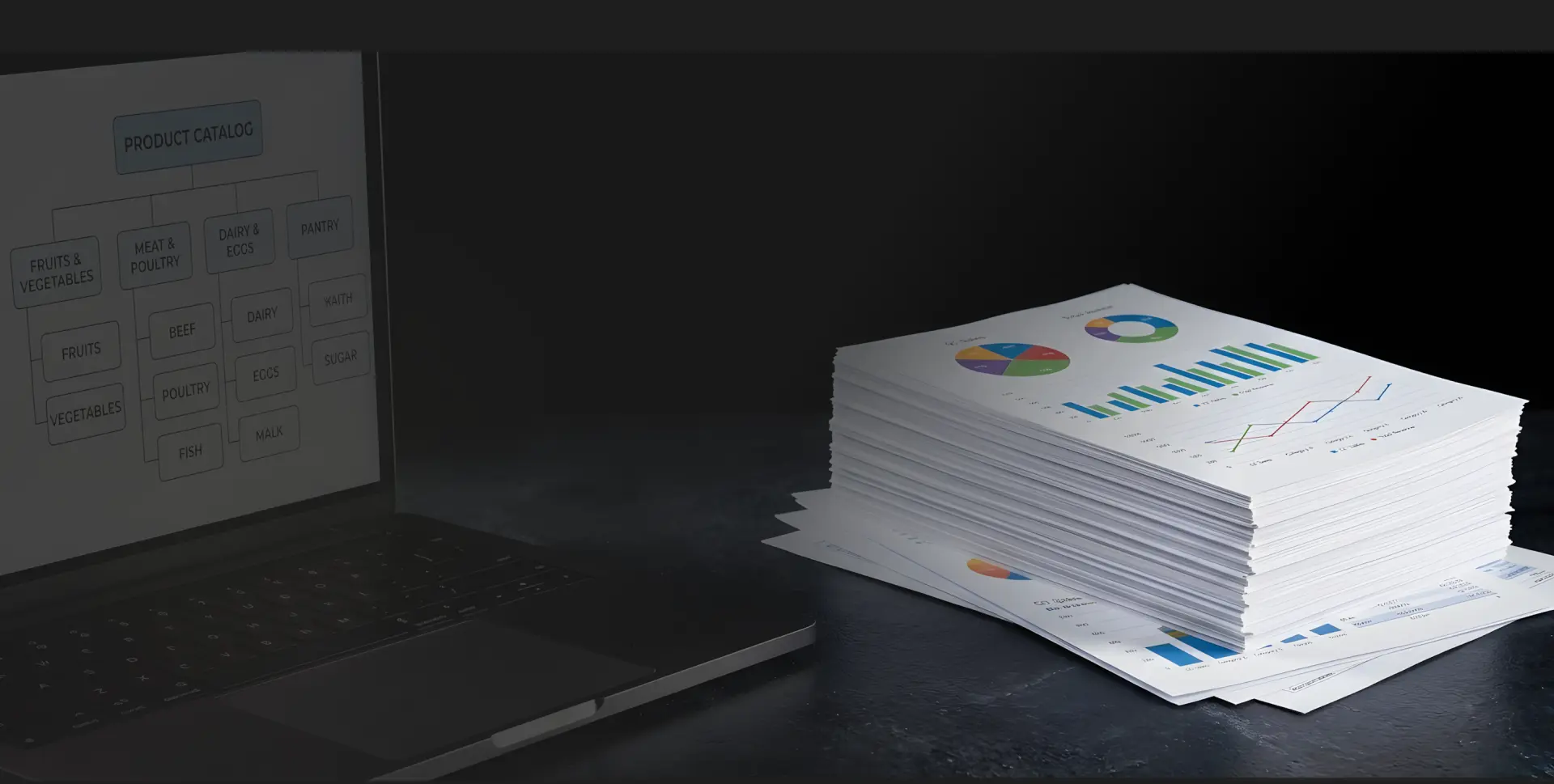

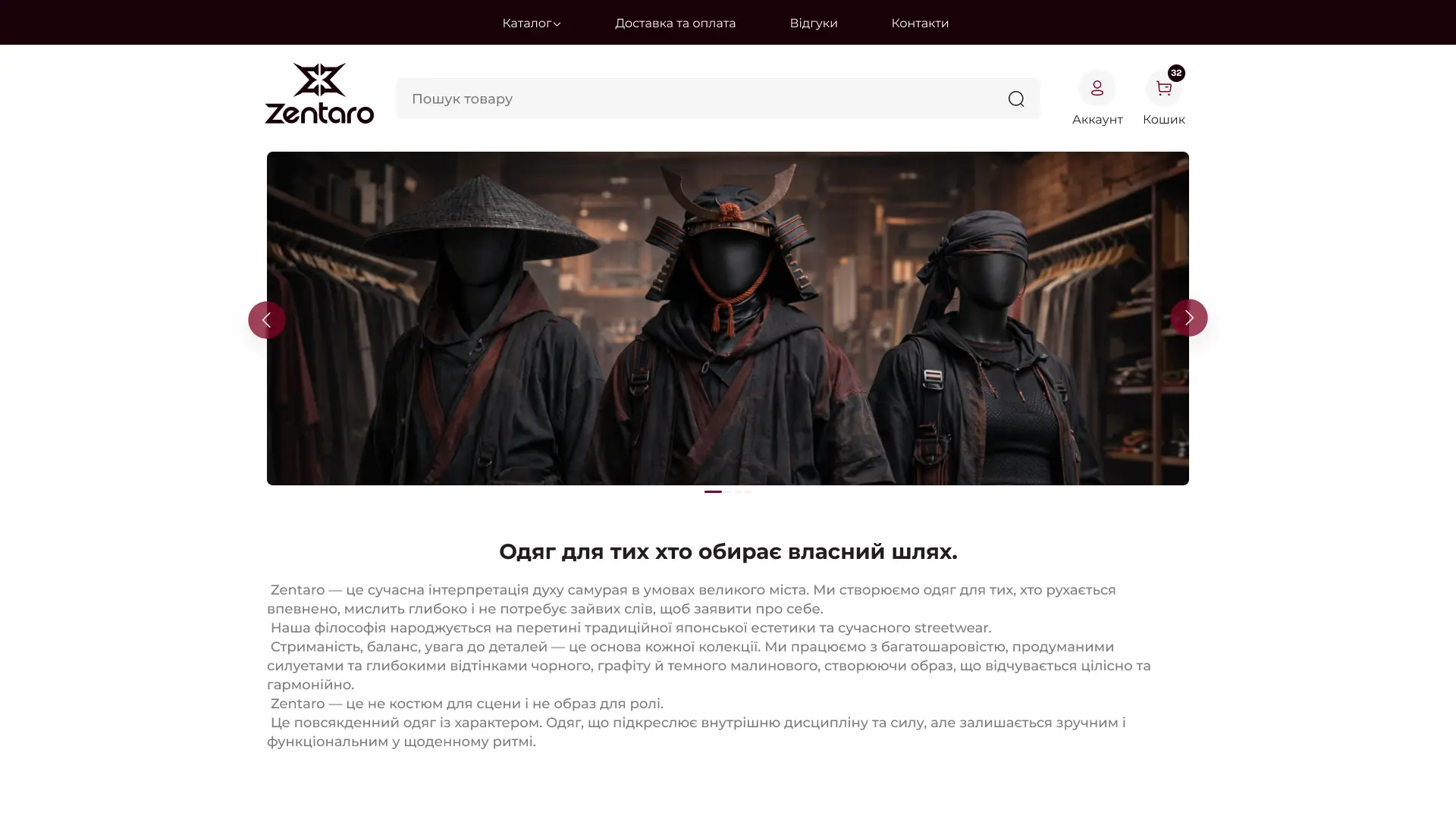
We have formed a catalog structure with thoughtful filters, separate collections, and quick transition to purchase.
The Zentaro philosophy was conveyed through deep dark shades, contrasting typography, and an emphasis on fabric details.
We implemented management of products, sizes, balances, and orders with a flexible admin panel.
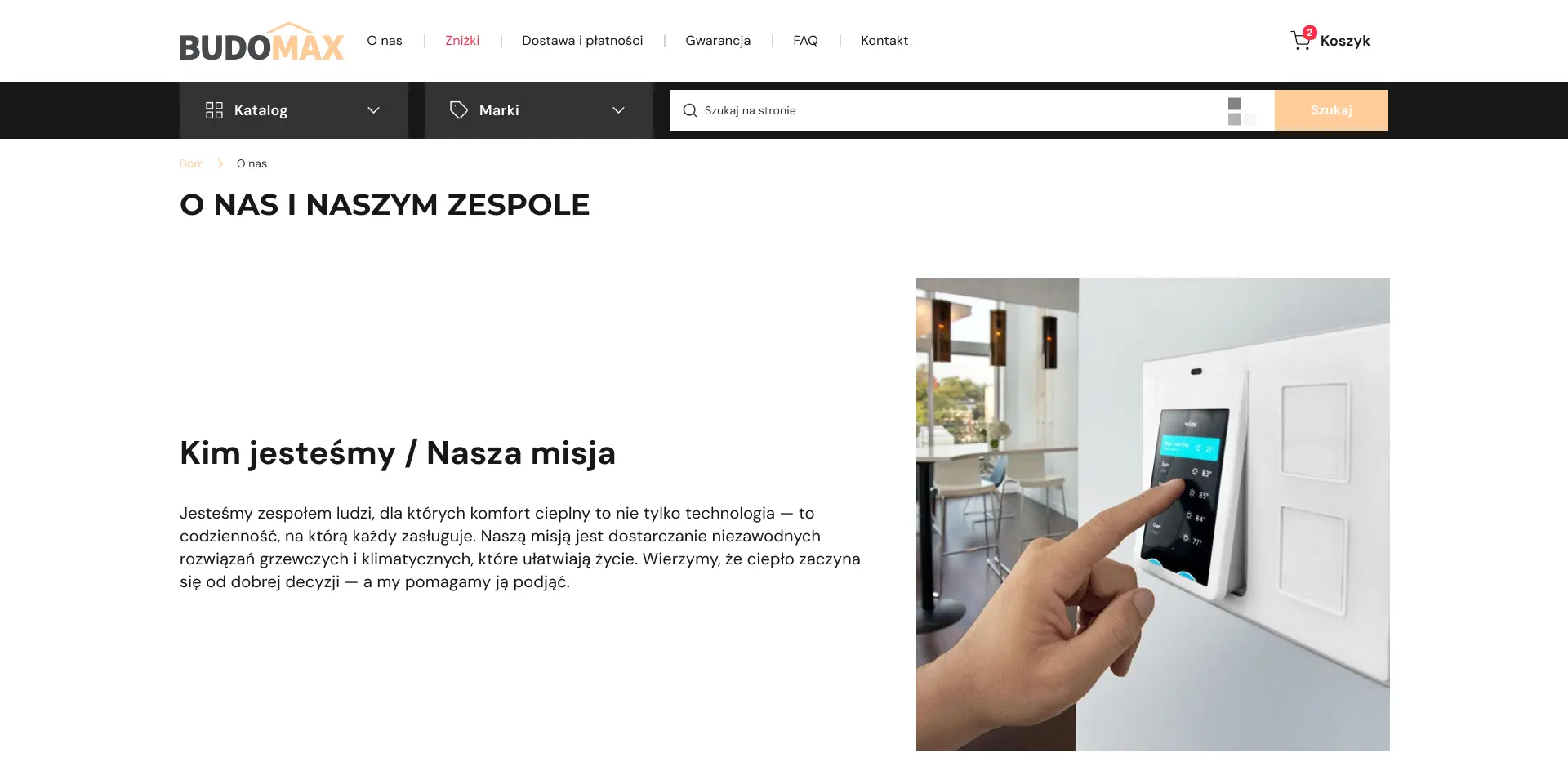
We created a logical catalog structure with multi-level filters by equipment type, power, brand, and purpose.
Visually, technical reliability and a professional approach were emphasized through a restrained color scheme and clear typography.
We implemented flexible management of products, characteristics, filters, and integration with CRM to automate applications.
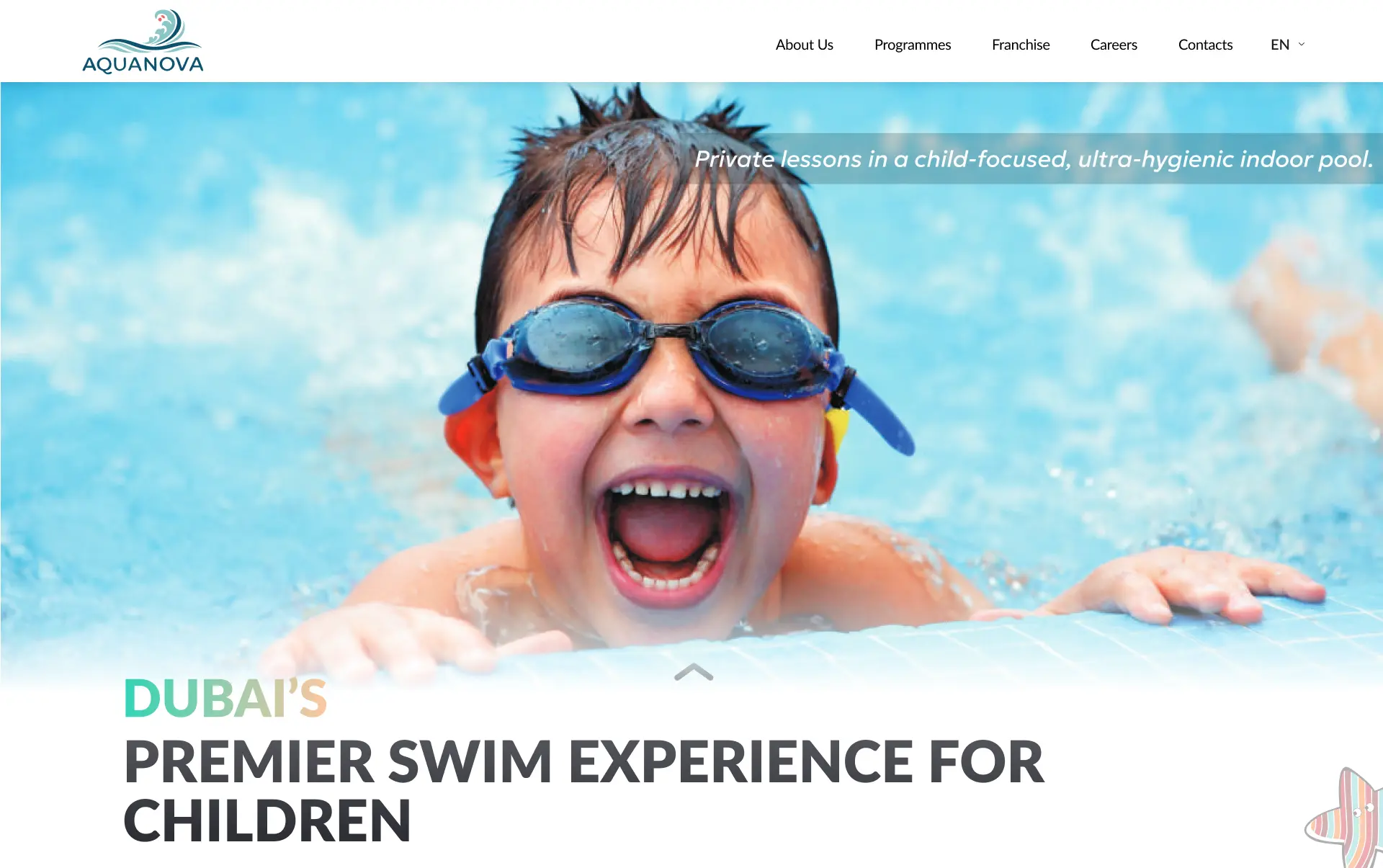
We built a structure that logically leads from benefits to registration. We emphasized privacy, water safety, and the coach's individual approach.
Clients gained access to class history, subscription management, and online payments.
We automated the schedule, pool loading control, and communication with parents.
We analyze the click map, user behavior in GA4, and find at which navigation level visitors are "lost." We check whether the existing structure meets search queries.
We develop a new, logical structure where the path to any product does not exceed 3 clicks. We create a clear hierarchy that meets SEO requirements.
We create interactive prototypes (wireframes) for the Main, Category, and Product Card. We check Usability before starting design work.
We design the logic of filters and blocks with SEO text on category pages so that they are useful for the client and at the same time attractive to search engines.
We implement "breadcrumbs" at all levels, optimize the main menu and footer. Every navigation element should be clear, especially from a mobile device.
After layout, we conduct a final SEO check of the structure (check the correctness of the URL, tags, and the operation of 301 redirects from old addresses).

Imagine that your online store is already growing. Orders are coming in steadily and in large volumes, and you can no longer manage inventory storage, pack each parcel, and run to the post office yourself. Managers spend hours on logistics instead of sales. If you constantly think, “Where can I get more warehouse space?”, it’s […]
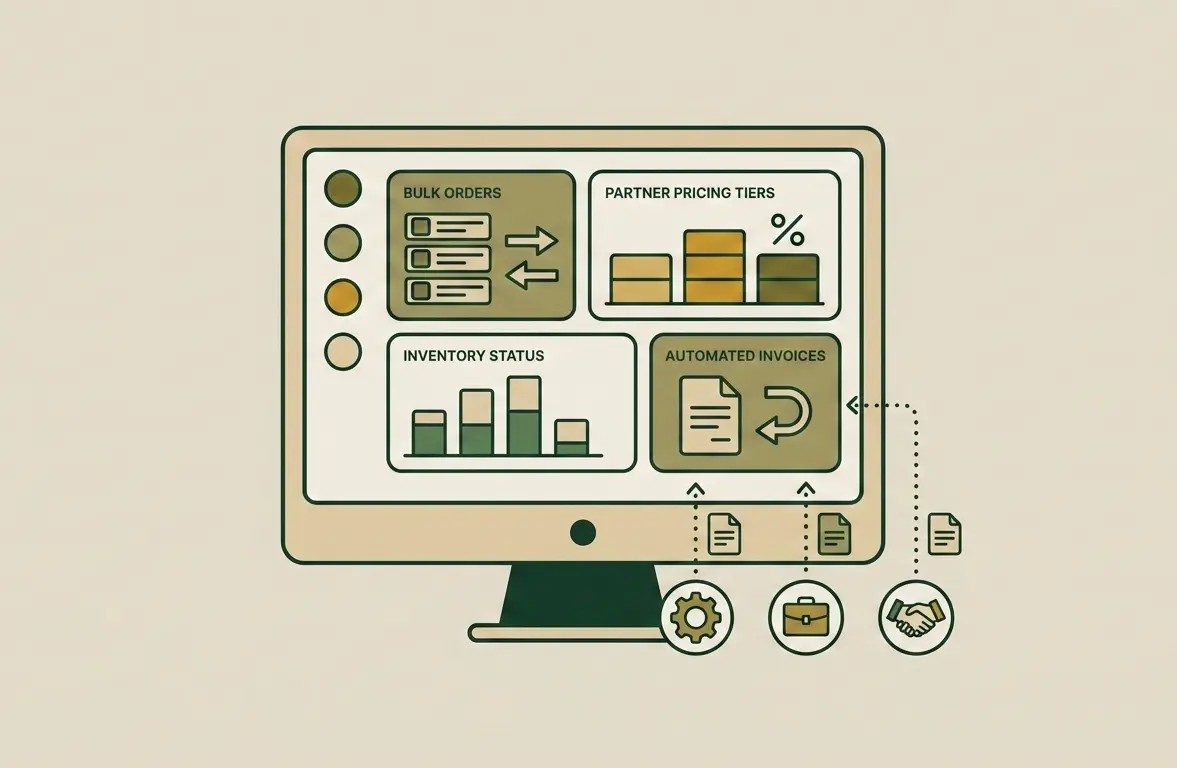
B2B e-commerce is the stage of a company’s maturity when direct business-to-business sales exceed retail in volume. If you still manage wholesale clients through email, Excel spreadsheets, and phone calls, you are not controlling your business potential. Instead, you depend on the human factor. Creating a B2B portal is not an expense for a new […]
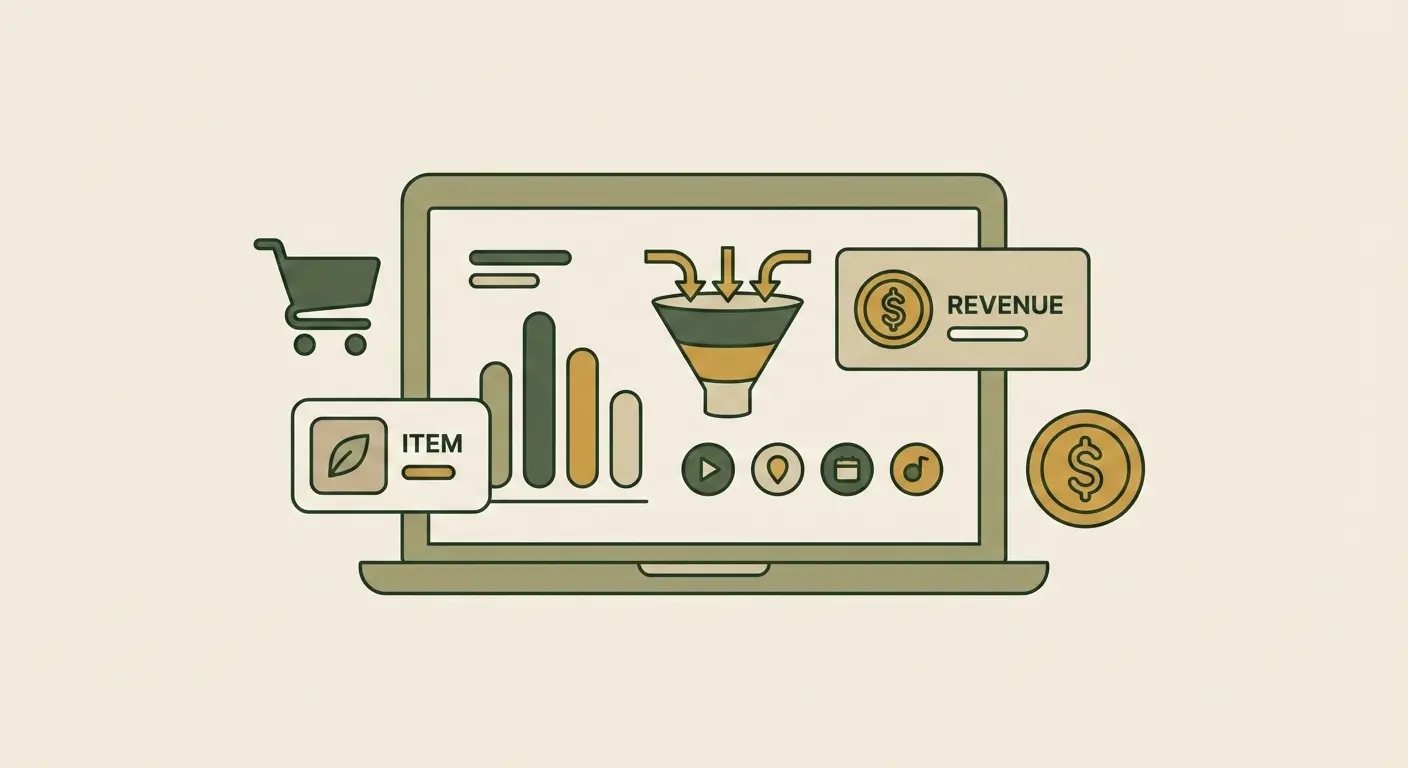
If you don’t measure, you don’t manage. An online store owner who makes decisions based on intuition is like a driver with their eyes blindfolded. Today, Google Analytics 4 (GA4) is not just a trendy tool — it is a critically important instrument for the survival and growth of your business. We will show how […]
Online Store Structure: Navigation Engineering for Maximum Conversion and SEO
In modern e-commerce, especially for stores with a large assortment, website structure is not just a menu hierarchy. It is an information architecture that either instantly leads a customer to a purchase or pushes them away in conditions of high competition.
A poorly designed structure is a direct threat to both conversion and SEO ranking, since Google evaluates how easily a user can find the required content.
At Kliox, we design architecture as an engineering system where each element has a clearly defined task.
Usability as a direct profit multiplier: from the first click to checkout
Poor UX means lost sales. Your task is to make the customer journey intuitive, especially on mobile devices.
- Click depth and the rule of three
It is critically important that the customer does not get lost. We design the website structure so that any product can be reached in no more than 3 clicks. Longer paths sharply increase the bounce rate.
For categories with thousands of products, we create multi-level but logical navigation, where each next level of the catalog narrows the selection instead of complicating it.
- Dynamic filtering and its impact on conversion
For stores with a large assortment (such as in the spare parts or electronics niche), filters determine everything. Conversion increases when the customer can quickly eliminate irrelevant products.
We design intelligent filtering systems that work instantly instead of reloading the page. This requires proper configuration of SEO-friendly URLs for each filter combination so that every important subcategory can be indexed by Google.
SEO architecture: how structure helps search engines
Website structure is also the backbone of SEO. If it is confusing, Google simply will not be able to properly crawl and evaluate your resource.
- Breadcrumb logic and internal linking.
We implement a well-designed system of breadcrumbs (Home > Category > Subcategory > Product). This not only helps customers navigate but also creates clear internal links that pass authority from main pages to product pages.
- Category page optimization.
A category page should not be just a list of products. It should contain unique, SEO-optimized text and a block with frequently asked questions. This allows you to rank for broad, high-frequency queries, while product pages rank for long-tail queries.
Designing architecture for different user scenarios
We do not create universal design. We design different paths for different customers.
- Fast purchase path.
This scenario is for a customer who knows exactly what they want. We optimize this branch for a minimum number of clicks and a direct link to checkout.
- Research / comparison path.
This is the path of a customer who is exploring options. We ensure easy access to product comparison pages and expert content (blog) to keep them on the site longer.
- B2B ordering path.
If it is a wholesale client, their path should lead directly to a wholesale account or a B2B request form, bypassing the retail funnel.
Page optimization: microcopy that influences decisions
Even a perfect structure will not work if the page content is not optimized. This is the level of fine-tuning customer influence.
- SEO copywriting in Title and Description.
Many stores leave the default meta tags from the CMS or do not optimize them at all.
We develop unique, compelling meta tags for each category and key product. They should contain the main keyword, the brand name, and a strong call to action. For example, buy with delivery within 24 hours. This increases CTR (click-through rate) in search results.
- Heading hierarchy (H1–H6) as a plan for search engines.
Duplicating H1 headings on pages or using them only for styling text.
We ensure a strict hierarchy. On a category page — one H1 (the category’s primary keyword), while H2/H3 subheadings are used to structure the description and integrate supporting local keywords. This helps Google clearly understand what the page is about.
Content strategy: turning a blog into a traffic generator
A blog should not exist just for formality but as part of content marketing that works for SEO and sales.
Here are the components of a successful blog.
- Content focused on different stages of the funnel.
A blog writes only about the product itself (Our new sneakers).
We create content for all stages. Articles that solve problems. For example, how to choose running shoes for beginners. Comparison reviews — Sneakers A vs Sneakers B. Case pages demonstrating the advantages of your store.
- Native product integration.
If an article contains SEO text but has no link to a product, it is a lost lead. In every article we implement natural, expert links to relevant product pages or categories. It does not look like advertising, but rather like a useful recommendation.
Our approach: structuring as the foundation for scaling
At Kliox, we develop architecture that takes future growth into account. The structure must be flexible so you can add new categories or thousands of new products without breaking the existing logic. This is ensured through clean code and the correct choice of CMS or custom development from the start.
A well-thought-out structure is an investment in future SEO and conversion. Proper Usability leads the customer from the first click to the order, while a logical hierarchy helps search engines evaluate your resource to the maximum.
Your current website structure may be the reason for lost traffic and sales. Order a website structure audit from Kliox. We will provide a clear map of how to redesign navigation so that it works as an SEO asset and converts visitors into customers.