
Over 70% of your customers are most likely choosing products from their smartphone screen right now. Ignoring this fact means consciously giving the lion’s share of profit to your competitors. The question is not whether you need a mobile version of your website, but how it should be designed to provide the best experience for your customers.
There are two main approaches: create a flawless responsive design or invest in developing a full-fledged mobile app for your online store.
So let’s compare both options in terms of return on investment (ROI) and determine which solution your business needs at this stage.
Responsive Design — the foundation of your mobile conversion
Before considering expensive tools to increase loyalty (like an app), you need to solve a basic question: can a customer conveniently and quickly buy your product from a smartphone at all? If not, any further investments are pointless. This fundamental task is solved by responsive design.
What is Responsive Design?
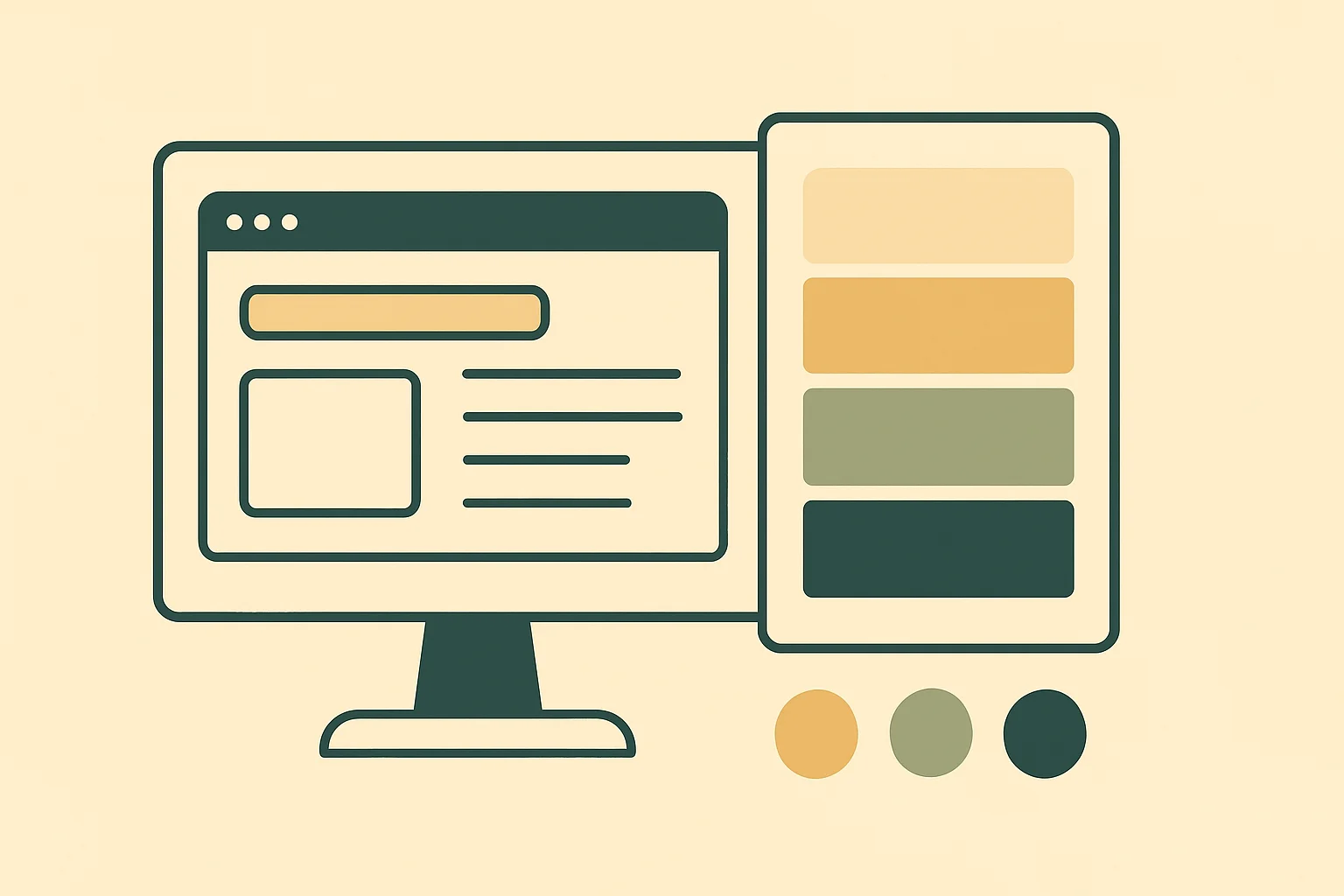
Simply put, it’s an approach where your website automatically adapts to any screen size. It behaves like a liquid taking the shape of its container. On a large computer monitor, you see the full version with all blocks. On a smartphone, the same elements are rearranged for easy viewing and one-finger scrolling.
It’s the same website, with a single address and unified management system. This is critically important because this approach is recommended by Google, promoting sites based on the mobile-first principle (priority is given to the mobile version in ranking).
Key business advantages of responsive design
- You don’t need to develop and maintain two separate products (website and app). Responsiveness is an integral part of modern web development. You invest once and get a solution that works for all users immediately.
- Your website will look correct on any device: from an old Android smartphone to the latest iPhone or tablet. Anyone clicking a link from an ad or Google will get a quality experience.
- You promote a single website address, and all links, traffic, and reputation accumulate in one place. For search engines, this is a single, coherent resource, which significantly simplifies and reduces the cost of ranking in top search results.
Who is this suitable for?
Everyone without exception. For businesses, the absence of responsive design directly translates into financial losses. You pay to acquire a customer (via ads or SEO), who, arriving at your site on mobile, physically cannot place an order.
As a result, you get high bounce rates, falling Google rankings (due to mobile-first indexing), and, most importantly, zero conversion from the majority of your traffic.
Mobile App — a tool for retention and repeat sales
If a responsive website is your storefront, open to everyone, then a mobile app for your online store is your VIP club for your most loyal customers. People don’t install apps to make a single purchase. They install them to return again and again. 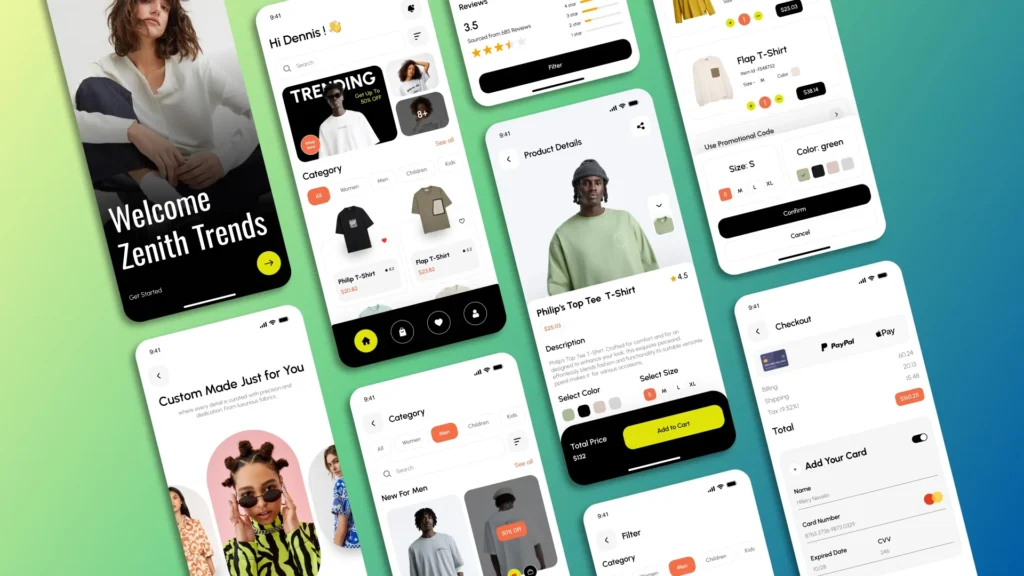
What is a native mobile app?
It is a separate program developed specifically for an operating system (iOS or Android), downloaded from the App Store or Google Play, and installed on the user’s smartphone. It is a fully independent product that can exchange data with your website but has its own logic and functionality.
Key business advantages of a mobile app
- Direct communication channel via Push notifications — the main advantage. You can instantly notify customers about promotions, new products, or personal discounts directly on their phone screen. It’s your own free marketing channel, not dependent on social media algorithms or email costs.
- Increase in LTV (Lifetime Value of a customer). Your brand icon on the smartphone screen constantly reminds customers about you. This greatly increases the likelihood of repeat purchases. The app creates a habit of buying from you, which directly impacts LTV — a key profitability metric.
- Best user experience and speed. The app runs faster than any website because part of the data and interface elements are already stored on the phone. It can use smartphone features (camera, GPS), provide offline catalog access, and offer a perfectly smooth experience, increasing conversion.
- Brand strengthening. Having your own app in the App Store is a powerful branding move. It positions your company as a serious technological market leader, building additional trust with customers.
Who really needs this?
Investing in app development costs is justified if your business meets several criteria:
- You have a high frequency of repeat purchases. You sell products that are bought regularly: cosmetics, pet food, groceries, coffee, clothing.
- You already have a large base of loyal customers. The app is a tool to work with your existing audience, not to attract new ones.
- You are ready for separate app marketing. You will need to motivate customers to download the app (through bonuses, exclusive offers) and promote it in app stores.
If your product is something purchased once every five years (for example, expensive furniture), the likelihood that a customer will keep a separate app is extremely low. In that case, it would be an unjustified investment.