Does your offline business operate steadily and generate profit? That’s great. But if you are still not online, you are losing a huge share of the market. Today, moving a business online is not just a fashionable trend, but a necessity for growth and crisis resilience.
But how do you do it correctly? Online sales have their own specifics. In this article, we will break down a step-by-step plan on how to open an online store for an offline business. We will go through the key stages: from adapting the assortment and synchronizing stock to attracting the first customers.
Step 1: Assortment and content adaptation
Not all products that sell well in your physical store will be equally popular online. The first step is to analyze your assortment and prepare high-quality content for the online catalog. 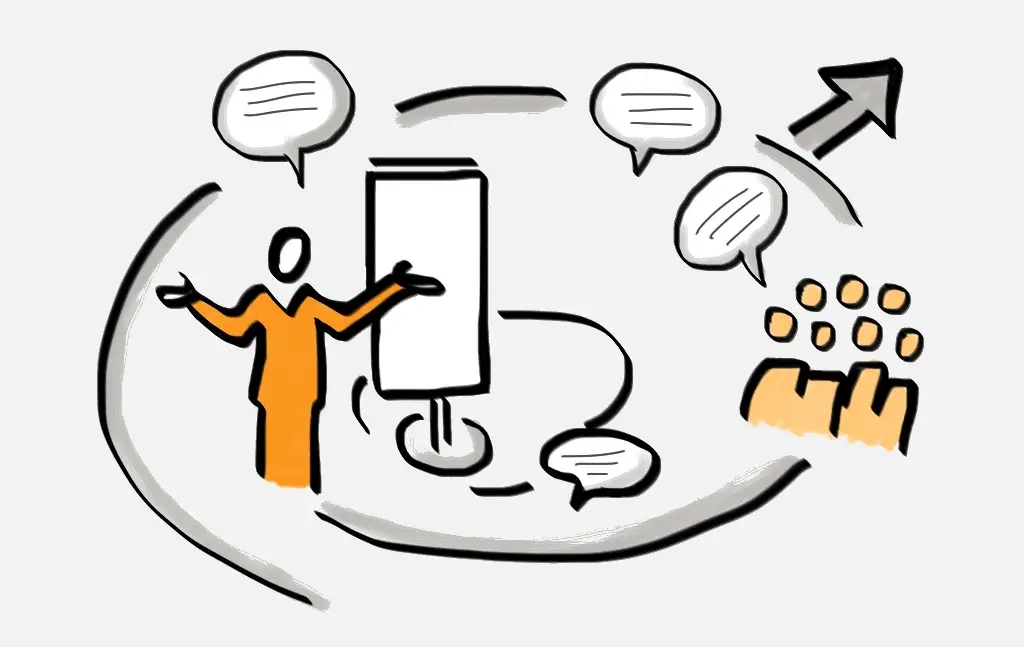
What will sell online?
Analyze which of your products are the most profitable and in demand. Start with a small but proven assortment. Do not try to upload thousands of items to the website at once.
Preparing photos and descriptions
Online, the customer cannot touch the product, so your content must do double duty.
Take professional photos of each product from different angles.
Create unique descriptions that answer all possible customer questions and contain SEO keywords.
Step 2: Stock and price synchronization
The biggest risk when combining offline and online commerce is accounting chaos. A situation where a customer orders a product on the website that has just been sold in the store can ruin your reputation. Therefore, stock synchronization is a critically important task. 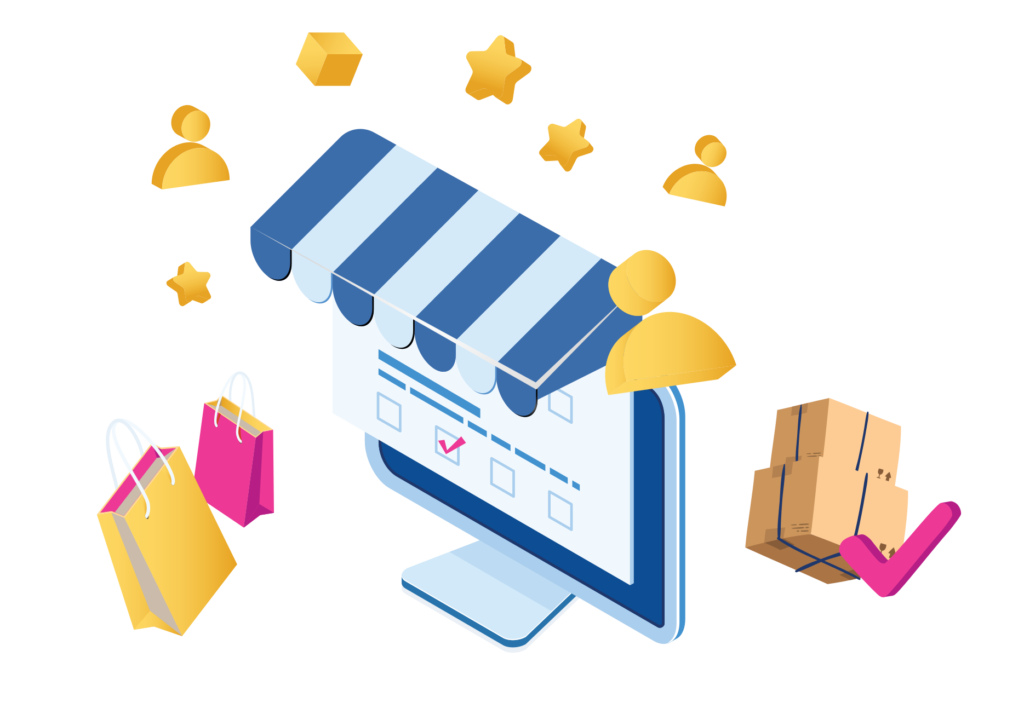
Solution options:
Manual updates — suitable only at the very beginning if you have up to 20–30 products and few orders. Very risky and requires constant attention.
Semi-automatic synchronization — regular uploading of files with current stock (e.g., from Excel) to the site’s admin panel. Reduces the risk of errors but still requires manual work.
Full automation (recommended) — 1C integration or synchronization with another accounting system. This is the most reliable method, ensuring that stock and price data on the website and in your store are always identical.
A properly configured CRM system will also help consolidate orders from different channels in one place.
Step 3: Platform selection and development
An online store for a business with physical locations has its own specifics. Its goal is not only to sell online but also to drive customers to your offline store. 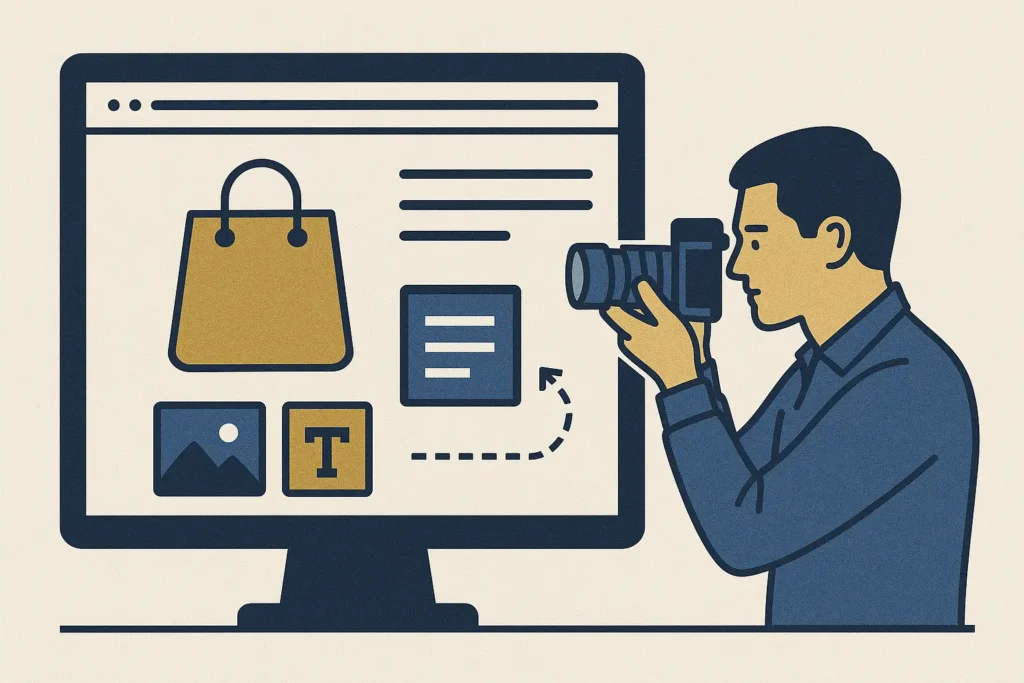
Website features for retail business:
Offline location information — the website should have a convenient section with addresses, business hours, and directions to your stores.
“Click and collect” option — be sure to allow customers to order online and pick up the product at a store convenient for them.
Local SEO — local business promotion should be a priority. The website must be optimized so customers from your city or district can easily find you on Google Maps.
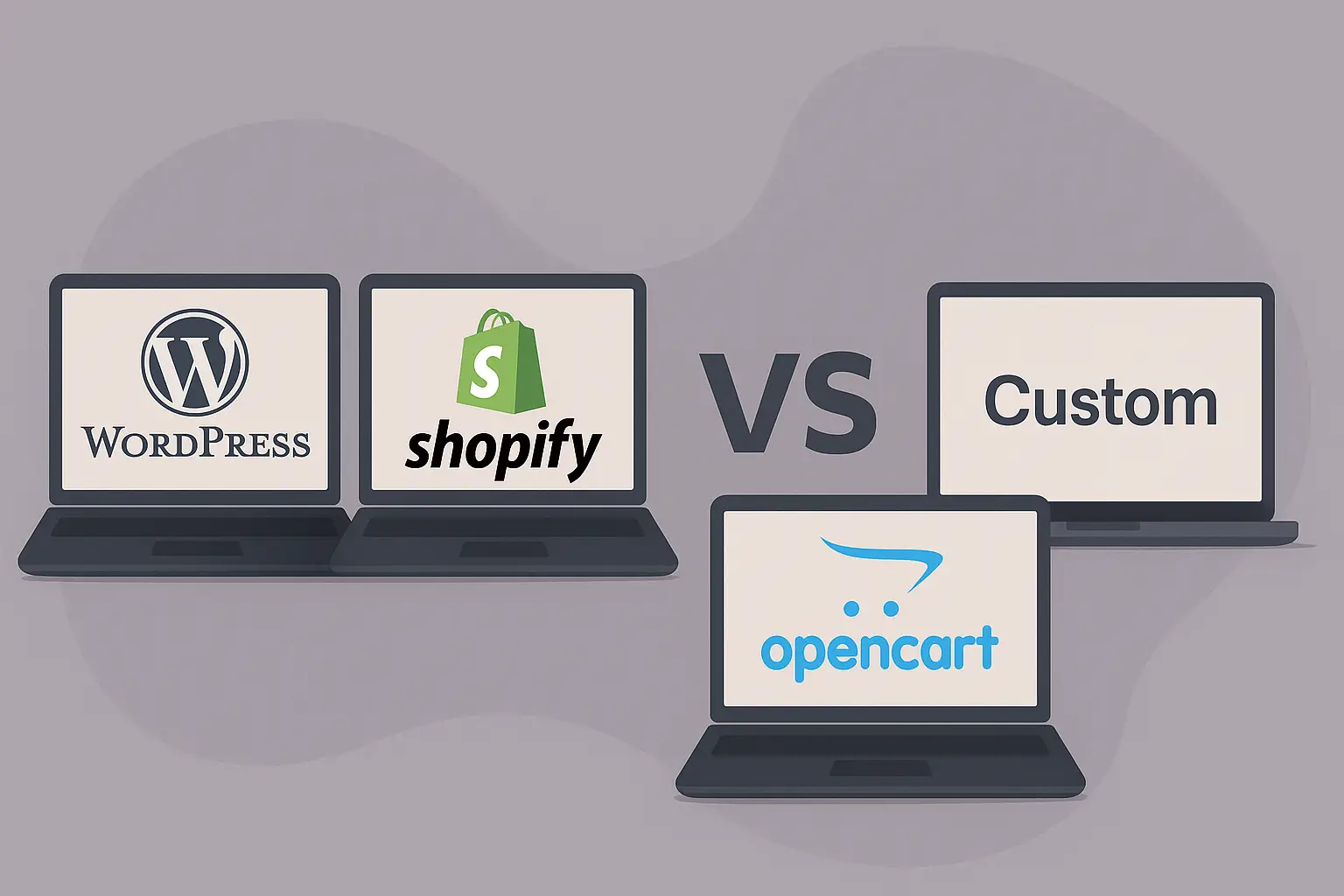
When choosing a platform (WordPress, Shopify, or another), it is important to consider how easily these features can be implemented and the required 1C integration or synchronization with other systems can be configured.
Step 4: Logistics setup
When a customer places an order online, they expect fast and convenient delivery. Your task is to organize logistics processes so they are efficient for you and comfortable for the buyer. 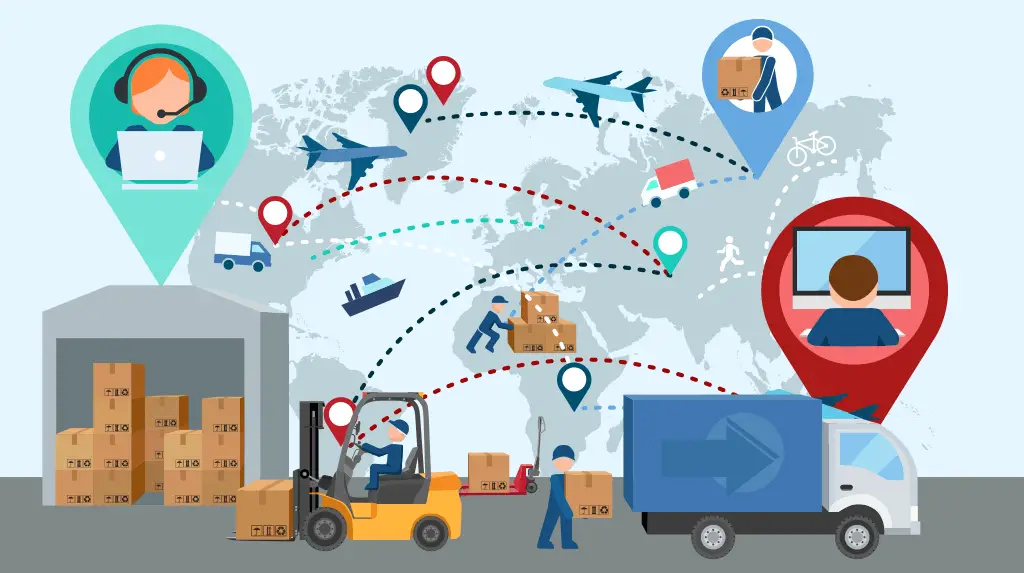
Key logistics aspects:
Carrier selection — determine which delivery services you will work with. In Ukraine, these are typically Nova Poshta and Ukrposhta.
Delivery method setup on the website — give customers a choice: delivery to a branch, courier delivery, parcel locker.
Process automation — to avoid creating waybills manually, it is worth setting up integration with Nova Poshta directly from the site’s admin panel. This significantly speeds up order processing.
Packaging — think through how you will package your products so they arrive intact and undamaged.
Step 5: Attracting the first customers
Launching an online store is a great opportunity not only to find new customers but also to strengthen relationships with existing ones. Your loyal offline audience can become your first online buyers.

How to announce the new website:
- Place posters, flyers, and QR codes with a link to the website in your physical store.
- Offer your regular customers a special discount on their first order in the online store.
- Make a loud launch announcement on your Instagram and Facebook pages.
- Launch local business promotion online by setting up targeted ads for residents of your city or district.
This will help you quickly get your first online sales and collect valuable feedback from your most loyal audience.
How Kliox helps at every stage
Moving a business online is a complex process with many pitfalls. At Kliox, we act not just as developers, but as experienced partners and consultants who help you go through this journey as efficiently as possible.
We don’t just create an online catalog; we build a full-fledged e-commerce system. Our team will support you at every key stage:
- consult on choosing the optimal platform;
- set up reliable stock synchronization and 1C integration;
- integrate the website with Nova Poshta and payment systems;
- ensure professional local business promotion.
Our experience allows us to avoid common mistakes and immediately lay the right foundation for your future online sales.
Conclusion: online is not a replacement, but a powerful extension of your business
So, moving a business online is a strategic step that opens new horizons for growth. An online store allows you to reach a much wider audience, automate processes, and become more resilient to any crises.
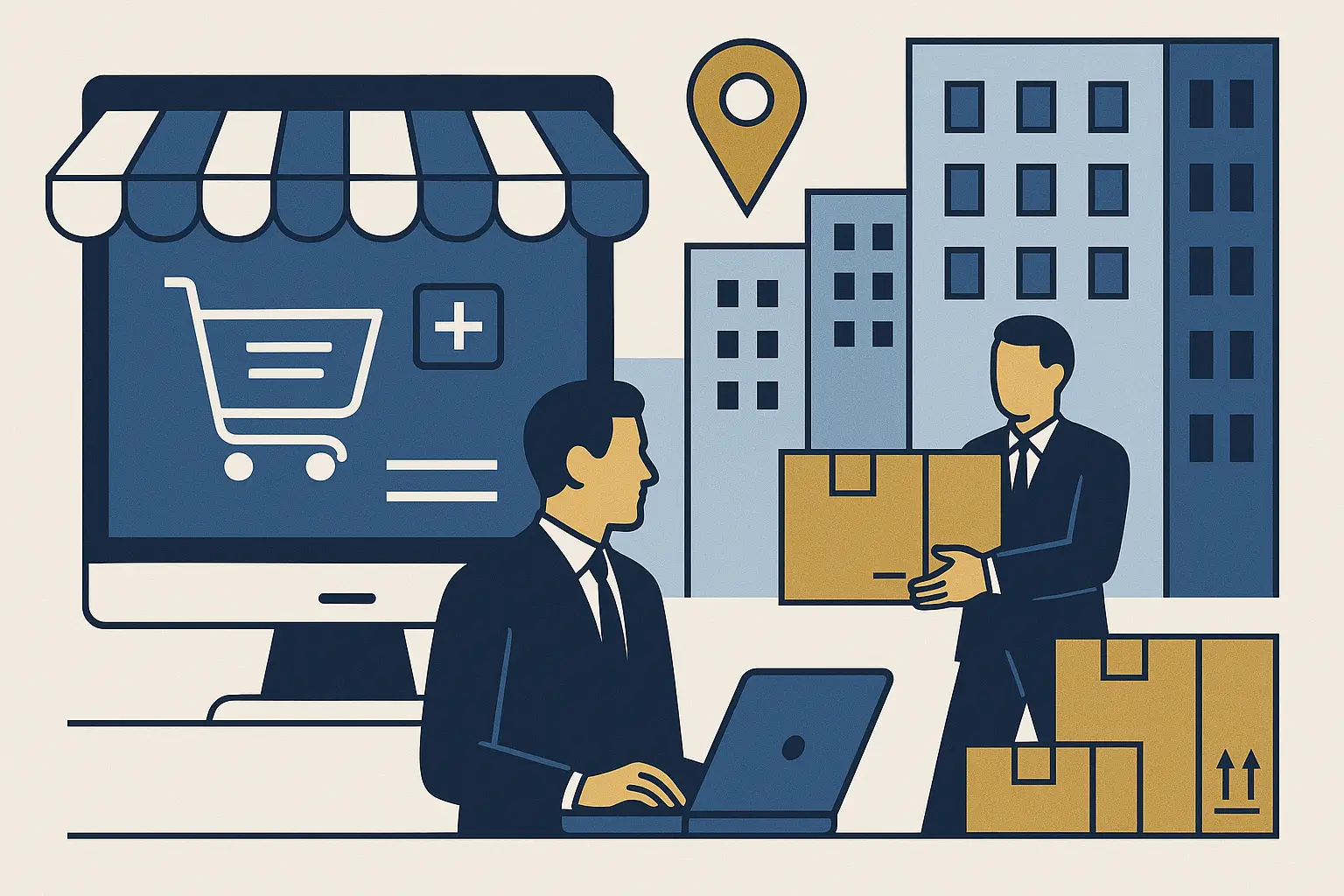
The key is to remember that online is not a competitor to your offline store, but its powerful complement. A properly configured system where both channels work in synergy will allow you to successfully open an online store for an offline business and take the company to a completely new level.
Ready to conquer the online market?
If you feel ready for this step but don’t know where to start, we are ready to help.
Get a free consultation where we will analyze your business specifics and propose a step-by-step plan for a successful transition online.